Market Insights · Location strategy
Shah Alam vs. Port Klang: Which Logistics Hub is Right for Your FMCG Supply Chain?
Choosing a warehouse starts with understanding where your stock arrives and where your orders go. This practical comparison helps FMCG businesses assess Shah Alam and Port Klang through transport, handling, storage and service requirements.
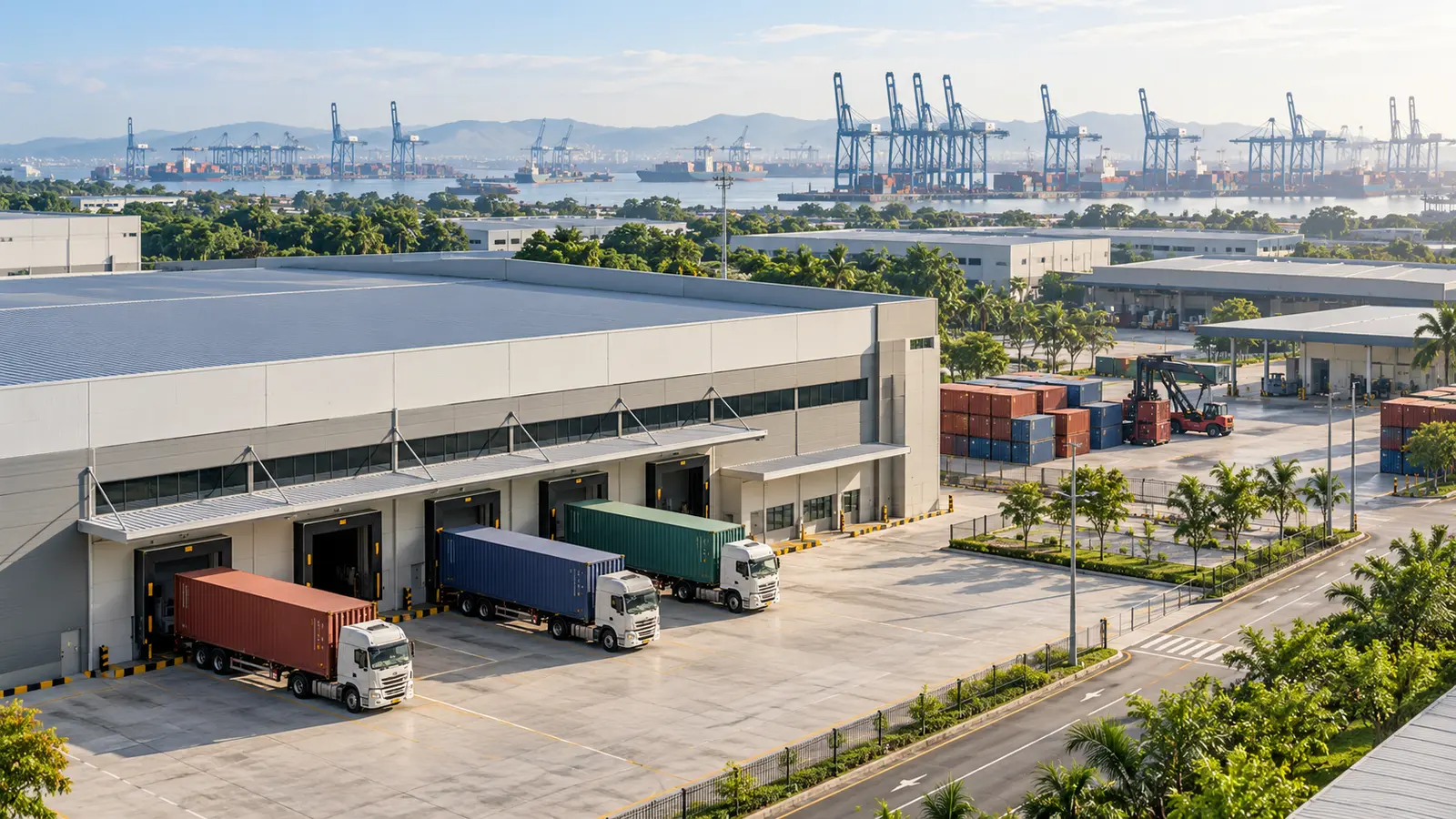
Start with your stock flow, not the rental headline
A Shah Alam warehouse and a Port Klang fulfillment facility can serve the same FMCG business in different ways. The useful question is where you should receive, hold and dispatch inventory to meet your customers’ delivery requirements at an acceptable total cost.
The comparison below is an operating framework, rather than a claim that one hub is always cheaper. Map a representative month of container arrivals, pallet movements and customer deliveries. Then ask shortlisted facilities to quote against the same brief, including your busiest trading period.
What distinguishes the two logistics hubs?
Shah Alam contains established industrial locations with access to major highways. For example, Sunway REIT describes its Seksyen 23 property as part of a logistics and manufacturing cluster served by the Federal Highway, ELITE and KESAS. This supports considering the area for distribution, but does not establish a delivery time for every Shah Alam address.
Port Klang has a port-linked consolidation and distribution ecosystem. Westports describes adjacent consolidation facilities and connections to Klang Valley industrial areas through several expressways. PKFZ separately describes facilities for international cargo distribution and consolidation. These are reasons to investigate port-side operations; they do not establish the services or customs status of every nearby warehouse.
| Operating priority | Shah Alam shortlist | Port Klang shortlist |
|---|---|---|
| Frequent customer deliveries | Test routes to actual outlets and courier collection points | Test whether outbound journeys offset an inbound advantage |
| Container receiving | Price terminal-to-warehouse haulage and empty returns | Check the actual terminal, warehouse gate and depot arrangement |
| Short storage or cross-docking | Check handling space, labour and dispatch cut-offs | Check unloading, sorting and onward dispatch capability |
| Chilled or frozen products | Verify temperature capability at the selected facility | Verify temperature capability at the selected facility |
Reference: Sunway REIT: Industrial – Shah Alam 1 location and highway access ↗ · Westports: port facilities, consolidation and distribution ↗ · Port Klang Free Zone: international cargo distribution and consolidation ↗
Shah Alam: test the last-mile distribution case
For an FMCG business replenishing supermarkets, convenience stores or online customers, outbound delivery frequency may matter more than the inbound container journey. A location that suits your customer routes could justify a higher occupancy quotation if the overall transport and service calculation supports it.
This is a scenario to model, not a general Shah Alam premium. Compare the specific section, access road and dispatch schedule. A facility suited to northern Klang Valley deliveries may perform differently for southern routes. Check retailer receiving windows, vehicle sizes, courier collections and returns handling before treating proximity as an advantage.
Port Klang: test the port-side receiving case
When imported containers dominate your stock flow, assess whether receiving and sorting near the relevant terminal avoids an unnecessary inland container movement. The answer depends on the haulier quotation, terminal, warehouse entrance and empty-container return depot, as well as onward deliveries.
Cross-docking means moving suitable inbound goods into outbound dispatch with limited storage between the two. It requires coordinated arrivals, labour and loading space. Port Klang fulfillment can also include longer storage and order picking, while Shah Alam facilities can receive containers. Compare the capability offered, rather than assuming the locality determines the service.
Compare the complete monthly operating cost
Request comparable quotations using the same volumes, product conditions and service levels. A rental rate per square foot is insufficient when one option includes handling and another charges separately. For managed logistics, establish minimum charges, peak-period surcharges and the assumptions behind storage and throughput pricing.
| Cost driver | What to ask for |
|---|---|
| Occupancy | Rent, service charges, utilities, deposits, fit-out and commitment period |
| Inbound transport | Container haulage, waiting charges and empty-container returns |
| Handling and storage | Receiving, unloading, palletising, storage, picking and loading charges |
| Outbound distribution | Cost per route, delivery stop, carton or pallet, including failed deliveries |
| Systems and administration | Onboarding, integrations, inventory reporting and account charges |
| Service and inventory risk | Expiry, damage, stock discrepancies and missed delivery windows |
Check FMCG handling and facility requirements
Confirm ambient, chilled or frozen requirements by product; FMCG does not automatically mean cold chain. For expiry-sensitive goods, ask how batch numbers, expiry dates and first-expired-first-out (FEFO) allocation are recorded and enforced. Establish temperature monitoring, segregation, pest-control and recall processes where relevant.
For direct leasing, verify clear height, floor loading, power, loading bays, fire protection and the approvals relevant to your intended use. For a 3PL, check those facility requirements alongside receiving capacity, picking accuracy, systems integration and peak-season staffing. Food, Halal or other certifications must be relevant to the product and checked against the actual facility and service scope.
Could a port-side buffer and urban dispatch node work?
At sufficient volume, you could assess a Port Klang receiving buffer feeding a smaller Shah Alam dispatch operation. Model the extra transfer, repeated handling and stock held in two places before assuming savings. A single facility may be simpler when volumes are modest or the additional replenishment step threatens delivery cut-offs.
Questions before you enquire
Is Shah Alam warehousing more expensive than Port Klang?
There is no universal answer. Compare quotations for equivalent building specifications, usable capacity, lease terms and services, then include inbound haulage and outbound distribution. A lower rent can still produce a higher total operating cost.
Are all Port Klang warehouses bonded or in a free zone?
No locality label establishes customs status. Confirm the selected premises’ status, permitted activities and applicable procedures with the operator and the relevant authorities before planning your inventory flows.
Should an FMCG company lease space or use a 3PL?
Compare the staffing, equipment, systems and operational responsibility required under a direct lease with the services and commitments in a managed logistics proposal. Your volumes, product controls and internal capabilities should guide the choice.
Sources and scope
Official sources checked on 2 November 2026. This guide supports project planning. Confirm current customs requirements, incentive eligibility and facility particulars for your operation.
Explore the relevant locations
Shah Alam warehouse and logistics guide · Port Klang warehouse and logistics guide
Compare direct leases and managed facilities · Explore 3PL facilities
Continue your market research
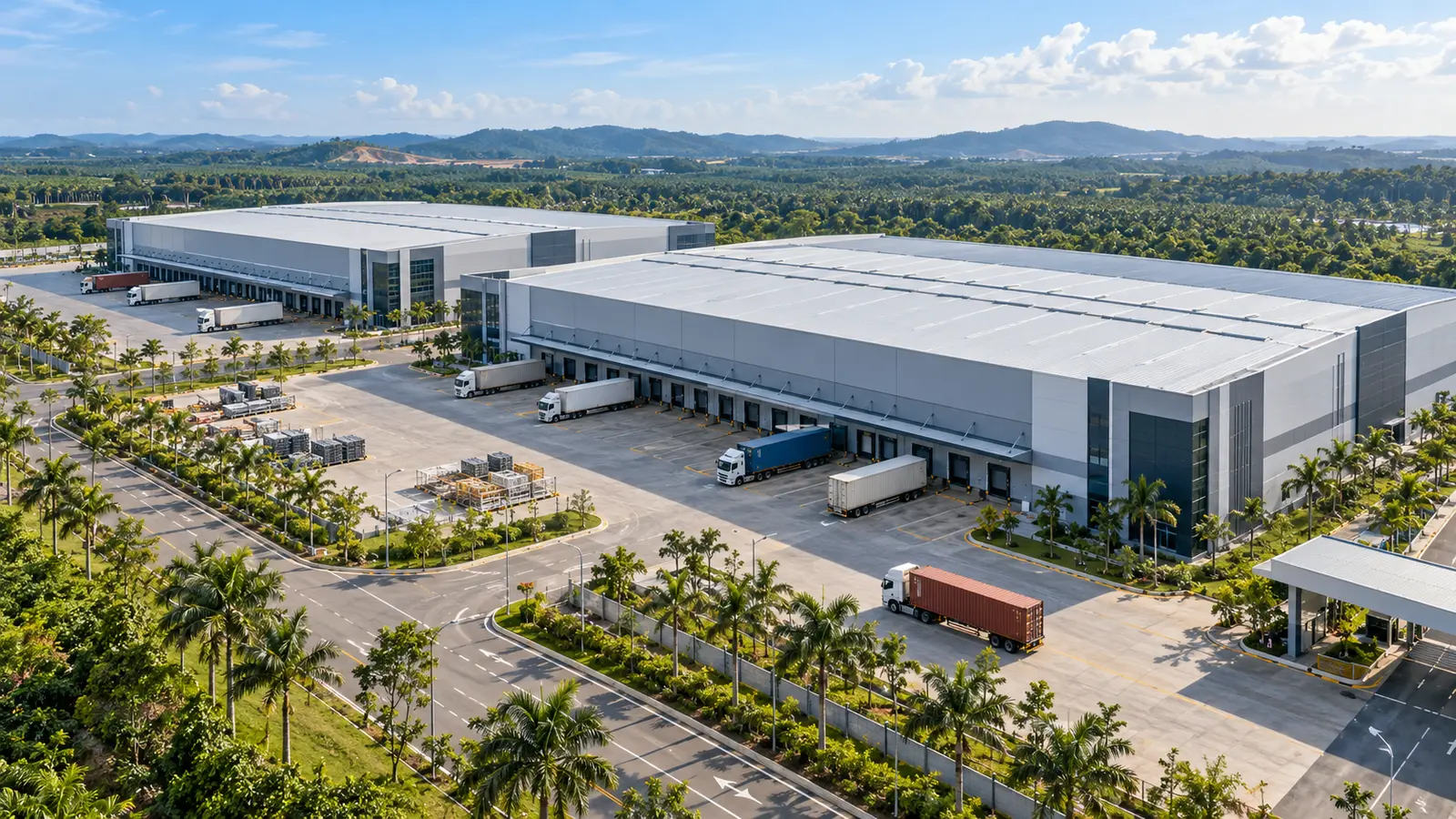 Johor · Singapore
The Johor-Singapore Special Economic Zone (JS-SEZ): Warehousing and Cross-Border Fulfillment
Johor can support a Singapore inventory strategy when storage, border movements and delivery commitments are planned together. Compare warehouse locations, direct leasing and managed fulfillment using the same operational brief.
Read the guide ↗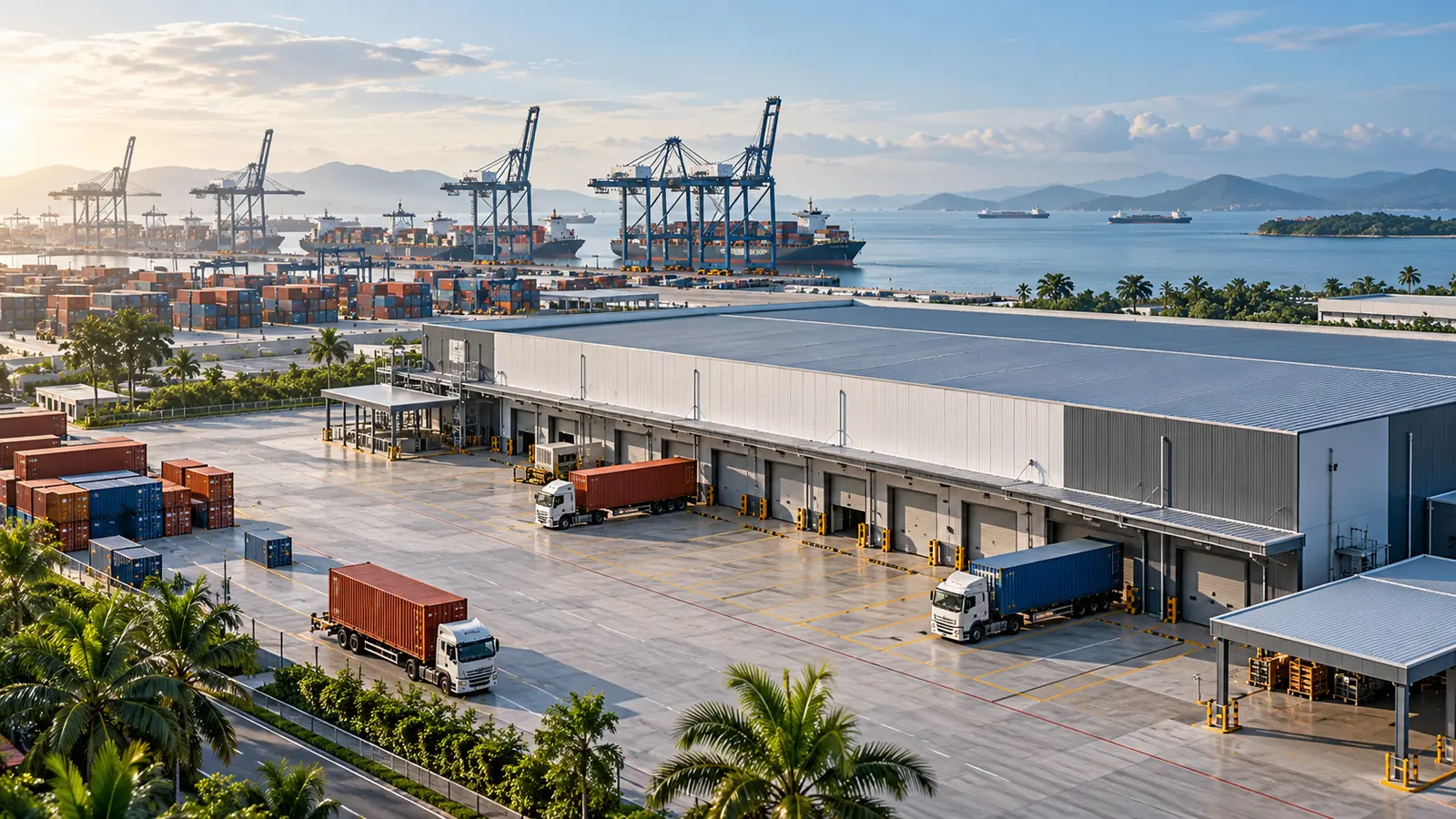 Malaysia · Port Klang
Malaysia Free Zones: FCZ and FIZ Warehouse FAQs
Find the right customs setting for your Malaysian warehouse operation. Use this practical guide to compare free commercial and free industrial zones, check the actual premises and prepare a focused property or 3PL brief.
Read the guide ↗From insight to a shortlist
Compare Shah Alam and Port Klang capacity
Share your product, storage, throughput and delivery requirements through our smart enquiry form. Our desk can review suitable leasing or managed logistics options, with capacity, facility compliance and commercial terms to be confirmed.
Need a facility that meets these operational and compliance requirements? Submit your brief so our corporate desk can assess suitable 3PL partners or leasing options, including off-market opportunities where available. Capacity, compliance evidence and commercial terms are checked for the proposed match.
The Smart Enquiry Form loads here when JavaScript is enabled. You can also send your requirements to our corporate desk.